
![Chitradurga Fort or as the British called it Chitaldoorg, is a fortification that straddles several hills and a peak overlooking a flat valley in the Chitradurga District, Karnataka, India. The fort's name Chitrakaldurga, which means 'picturesque fort' in Kannada, is the namesake of the town Chitradurga and its administrative district.[1][2][3]
The fort was built in stages between the 17th and 18th centuries by the dynastic rulers of the region, including the Rashtrakutas, Chalukyas and Hoysalas as well as the Nayakas of Chitradurga, feudal lords in the Vijayanagar Empire. The Nayakas of Chitradurga, or Palegar Nayakas, were most responsible for the expansion of the fort between the 15th and 18th centuries. They were defeated by Hyder Ali at Chitradurga in 1779. Later the fort was expanded and strengthened by Hyder Ali and his son Tippu Sultan,who succeeded Madakari Nayaka V, the last ruler of the Nayaka clan. The fort is built in a series of seven concentric fortification walls with various passages, a citadel, masjid, warehouses for grains and oil, water reservoirs and ancient temples. There are 18 temples in the upper fort and one huge temple in the lower fort. Among these temples the oldest and most interesting is the Hidimbeshwara temple. The masjid was an addition during Hyder Ali’s rule.[1][2][3] The fort's many interconnecting tanks were used to harvest rainwater, and the fort was said to never suffer from a water shortage.](https://images.trvl-media.com/place/6258978/ce8102d8-3a49-4fea-b521-ae9a7e5b3446.jpg?impolicy=fcrop&w=1200&h=500&q=medium)
بعدسة Jit Bose
البحث عن فنادق بتصنيف 3 Star في تشيترادورجا من SAR 57
 تغيُّر خططكاحجز في فنادق توفر إلغاء مجانيًا
 كن دقيقًاابحث فيما يقرب من مليون منشأة فندقية حول العالم
الليلة
عطلة نهاية الأسبوع القادم
خلال أسبوعين
أفضل خياراتنا لفنادق تشيترادورجا بتصنيف 3 نجوم
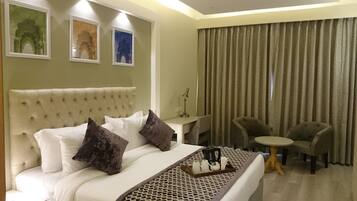



7.4 من 10، جيد، (٣ تقييمات)
"excellent location, looks a new hotel needs some time. the bath room could be better. AC has some sound issues. the food is a key issue. the hotel doesn't look to have its own hotel. menu is just limited and for breakfast absolutely no south Indian ??? it must improve on this front. the reception is young and accomadative"

suresh
السعر الحالي هو SAR 111
الإجمالي: SAR 117
يشمل الضرائب والرسوم
من 2026/01/16 إلى 2026/01/17


السعر الحالي هو SAR 146
الإجمالي: SAR 153
يشمل الضرائب والرسوم
من 2026/01/13 إلى 2026/01/14



السعر الحالي هو SAR 54
الإجمالي: SAR 57
يشمل الضرائب والرسوم
من 2026/01/12 إلى 2026/01/13



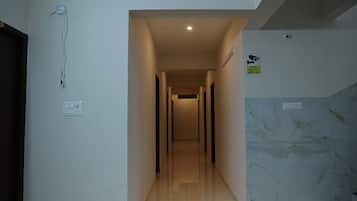
7.0 من 10، جيد، (تقييمان (٢))
"Property located in centre of the city. Nice ambience. Whole property maintained very clean. All the staff right from front desk arr very cooperative and humble. Rooms are very hygienic.very few items are in buffet breakfast so this is the area to be looked into by the management. Overall experience was very good and it is one of the best prooerty for the stay in Davanagere."
MELWIN
السعر الحالي هو SAR 165
الإجمالي: SAR 174
يشمل الضرائب والرسوم
من 2026/01/25 إلى 2026/01/26


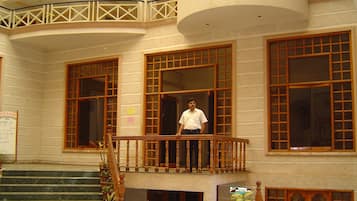
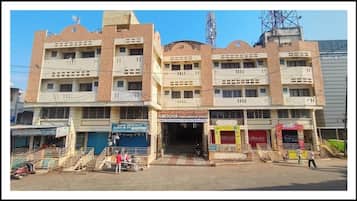
5.0 من 10، (٦ تقييمات)
"The room without AC and breakfast even though it was not mentioned at the time of booking. Location very congested and smelly."

PUNEET
السعر الحالي هو SAR 86
الإجمالي: SAR 90
يشمل الضرائب والرسوم
من 2026/01/15 إلى 2026/01/16


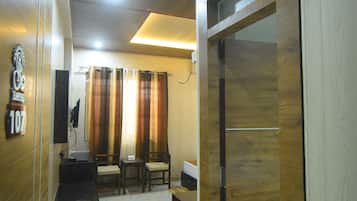


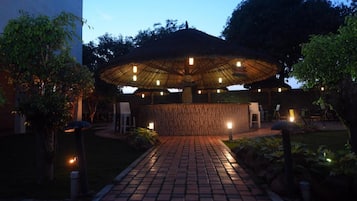

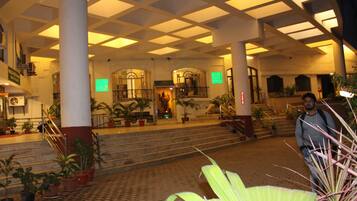


6.0 من 10، (تقييمان (٢))
"Nice hotel near to city . staff were good . food also was good"
مسافر مجهول


وفِّر ما متوسطه 15% من سعر آلاف الفنادق عند تسجيل الدخول
معرفة المزيد عن تشيترادورجا
لا تفوت زيارة وجهة تشيترادورجا واستمتع بالمعابد، والحدائق، والآثار المهمة فيها وغير ذلك الكثير!
![Chitradurga Fort or as the British called it Chitaldoorg, is a fortification that straddles several hills and a peak overlooking a flat valley in the Chitradurga District, Karnataka, India. The fort's name Chitrakaldurga, which means 'picturesque fort' in Kannada, is the namesake of the town Chitradurga and its administrative district.[1][2][3]
The fort was built in stages between the 17th and 18th centuries by the dynastic rulers of the region, including the Rashtrakutas, Chalukyas and Hoysalas as well as the Nayakas of Chitradurga, feudal lords in the Vijayanagar Empire. The Nayakas of Chitradurga, or Palegar Nayakas, were most responsible for the expansion of the fort between the 15th and 18th centuries. They were defeated by Hyder Ali at Chitradurga in 1779. Later the fort was expanded and strengthened by Hyder Ali and his son Tippu Sultan,who succeeded Madakari Nayaka V, the last ruler of the Nayaka clan. The fort is built in a series of seven concentric fortification walls with various passages, a citadel, masjid, warehouses for grains and oil, water reservoirs and ancient temples. There are 18 temples in the upper fort and one huge temple in the lower fort. Among these temples the oldest and most interesting is the Hidimbeshwara temple. The masjid was an addition during Hyder Ali’s rule.[1][2][3] The fort's many interconnecting tanks were used to harvest rainwater, and the fort was said to never suffer from a water shortage.](https://images.trvl-media.com/place/6258978/ce8102d8-3a49-4fea-b521-ae9a7e5b3446.jpg?impolicy=fcrop&w=400&h=400&p=1&q=high)
بعدسة Jit Bose
فتح صورة بواسطة Jit Bose